 For as long as I can remember, I’ve been a sensitive person, making sure everyone is okay and wanting things to happen in a certain way and routines followed. However, things started to feel different and over time, the anxiety grew stronger and more demanding. I began checking doors repeatedly and asking others if they have checked it, making sure electrical appliances were off and taking pictures as ‘proof’, going back to the car to check the handbrake was on multiple times. The constant ‘what ifs’ made things so difficult. After reaching out for help from my local mental health team, they shared that they thought I had OCD. I was confused at first as I had always seen OCD portrayed as someone who cleans a lot, which I now know is far from the case. I was scared about what this meant but most importantly, I was relieved wasn’t the only one who was experiencing this and there was a treatment that worked.
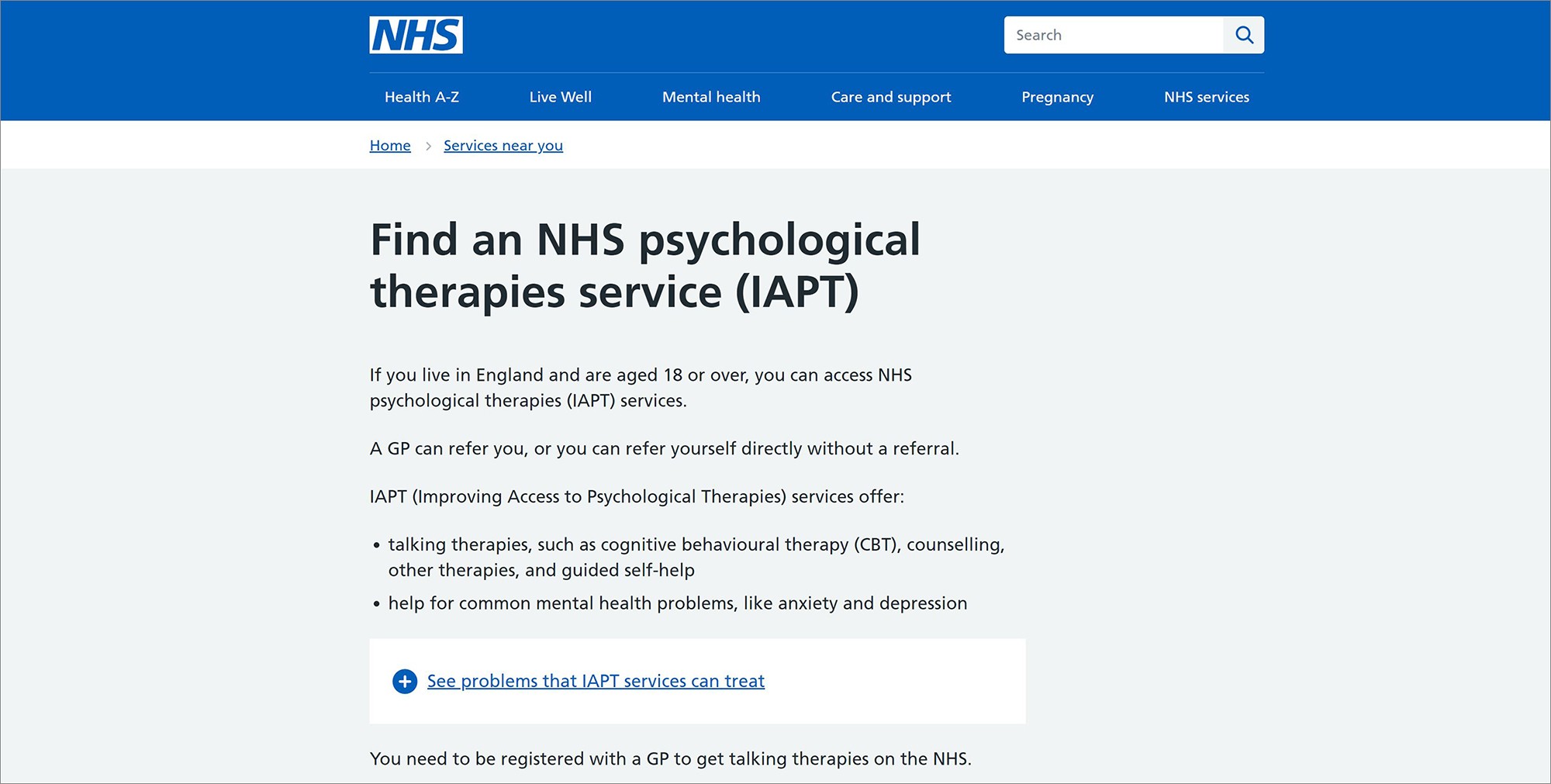
Although I was nervous about it, I had Cognitive Behavioural Therapy (CBT) with Exposure and Response Prevention (ERP) to treat my OCD. CBT with ERP really did help with my OCD anxieties and the need to check really reduced. I felt a sense of relief as I wasn’t spending a lot of time checking appliances in case they caught fire or checking the back door multiple times. But, something still didn’t feel quite right.
There were some areas which I was repeatedly trying to challenge and do exposure work, such as wanting things to happen in a certain way or at a set time. I tried to challenge them, but it felt even more wrong when Idid, which was very confusing. This is where the missing piece came in, an Autism diagnosis. This made me realise it’s important to understand we are doing the behaviour.
For example, if there was an anxiety and fear (obsession) behind the behaviour it was likely OCD, however if it was something that I just enjoyed it was likely an autistic behaviour and needed to be nourished and not reduced. It felt so simple once I realised but also changed so much in how I approached both OCD and autism. Sometimes trying to unpick which is which is easy but other times it really does overlap.
For example, anyone who knows me knows I like a routine, whether that’s going to bed at a certain time, or being at the gym for a set amount of time or having my lunch at a certain time at work. And for some people these behaviours might look like OCD, and they might well be for someone if there is an underlying obsessional reason. However, for me and these examples there isn’t an obsessional reason behind it and I do these things because it calms me and I enjoy it rather than feeling like I have to otherwise something might happen. This understanding has made so much difference in how I approach my OCD and autism and has helped me so much on a day-to-day basis.
Although I had my OCD treatment before I had an autism diagnosis, there were some natural things that happened in treatment which helped me engage so much better as an autistic person. Firstly, my treatment happened towards the end of the Covid pandemic when the majority of healthcare was still online. This helped me feel relaxed as I was in my safe environment, allowed me to wear comfy clothes and doodle or fidget without it feeling ‘not appropriate’. At the time, I didn’t realise how all these small details added up to making the overall treatment more engaging to me. But there were disadvantages of this too as having that connection with that therapist is important to me and I felt like a lot of the things felt difficult to say to a screen.
After the therapy, I did a lot of learning about OCD and I feel like at the moment, I am in recovery (I will get to what that means for me in a moment). But I wanted to share that if I did need more OCD specific therapy in the future, I feel like I have a better understanding of my autistic needs to voice the adaptions which I need to make the therapeutic space be what I need it to be to be effective.
For me and where I am at the moment, I would say I am in active recovery from OCD. This means that OCD is very quiet for the most part. There are days when I get an intrusive thought and think it would be very easy to just do that compulsion but it’s about taking that stand and not doing the compulsion to squash the OCD and keep it in its place from the start as it can quickly snowball. One check is never one check. However, there are days when it is more difficult to do this and it does usually coincide with changes as I struggle with this due to being autistic or other life stresses. Although it can be really difficult at times especially when OCD gets loud after you have had it under control, having self-compassion is so important because OCD is very difficult to navigate But know that no matter how difficult things get, there is hope that things can get better again which is so important to hold on to.