OCD-UK Statement
In recent years we have continued to see too many patients’ seeking treatment for Obsessive-Compulsive Disorder (OCD) and offered a poor, low-quality treatment through far too many NHS services across both England and Wales. The NICE Guidelines have for such a long time (since 2005) been the best resource that those affected by OCD have had to hold services to account, to ensure that people with OCD have a clear pathway to access ongoing treatment after initial treatment had not been successful.
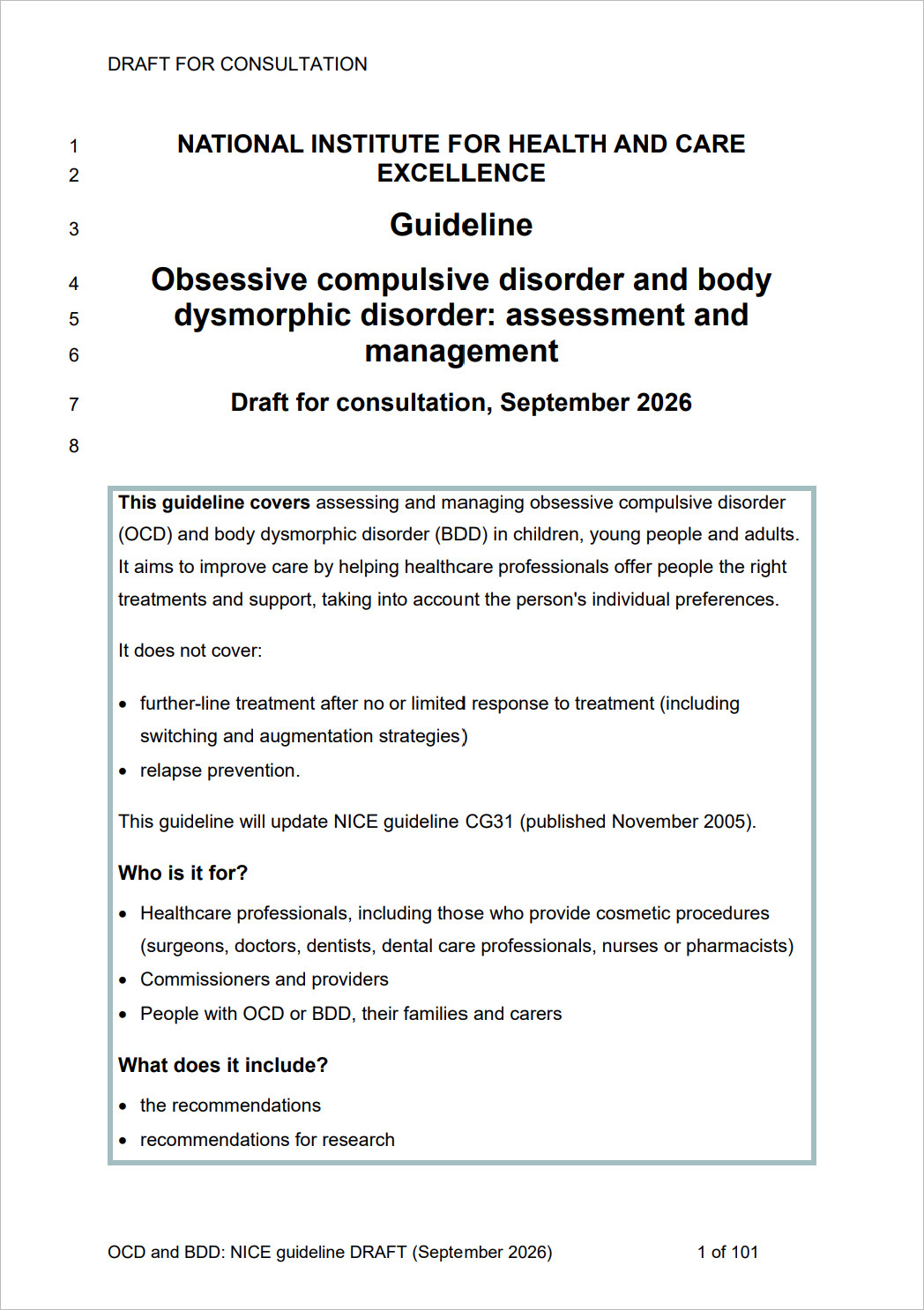
Those National Institute for Health and Care Excellence (NICE) guidelines are currently being reviewed and rewritten and are due to be published in February 2027. The impending new draft gave us hope that many of the problems that people with OCD have faced across the NHS for many years, since the original 2005 Guideline were published, would be addressed in the new review. It offered hope for new recommendations that would ensure all those with OCD who have experienced years of ineffective treatment, would be supported through the new 2027 guidelines, regardless of if that was someone starting a treatment journey for the first time, or those who have experience years of ineffective treatment.
As a stakeholder organisation, over the last few days we have been able to review the draft document, and it is with some disappointment that such a fantastic opportunity to change the treatment landscape for those of us with OCD appears to have been wasted in the proposed draft. Whilst the new document does make some new positive steps that will potentially help some, overall, we fear the guidelines are a significant step backwards from the original 2005 OCD/BDD treatment recommendations. We feel they will leave thousands of people with OCD/BDD with less protection to ensure that ongoing treatment, where needed, will be offered. There are many other important concerns we have highlighted with the guidelines, and we will be feeding those back to NICE before the 21st October deadline, but the four key significant areas that we initially feel need addressing:
- No provision for people who have failed to respond to treatment.
- No provision to adequately cover relapse prevention within the guidelines.
- No provision to make the pathway for a formal diagnosis for OCD/BDD.
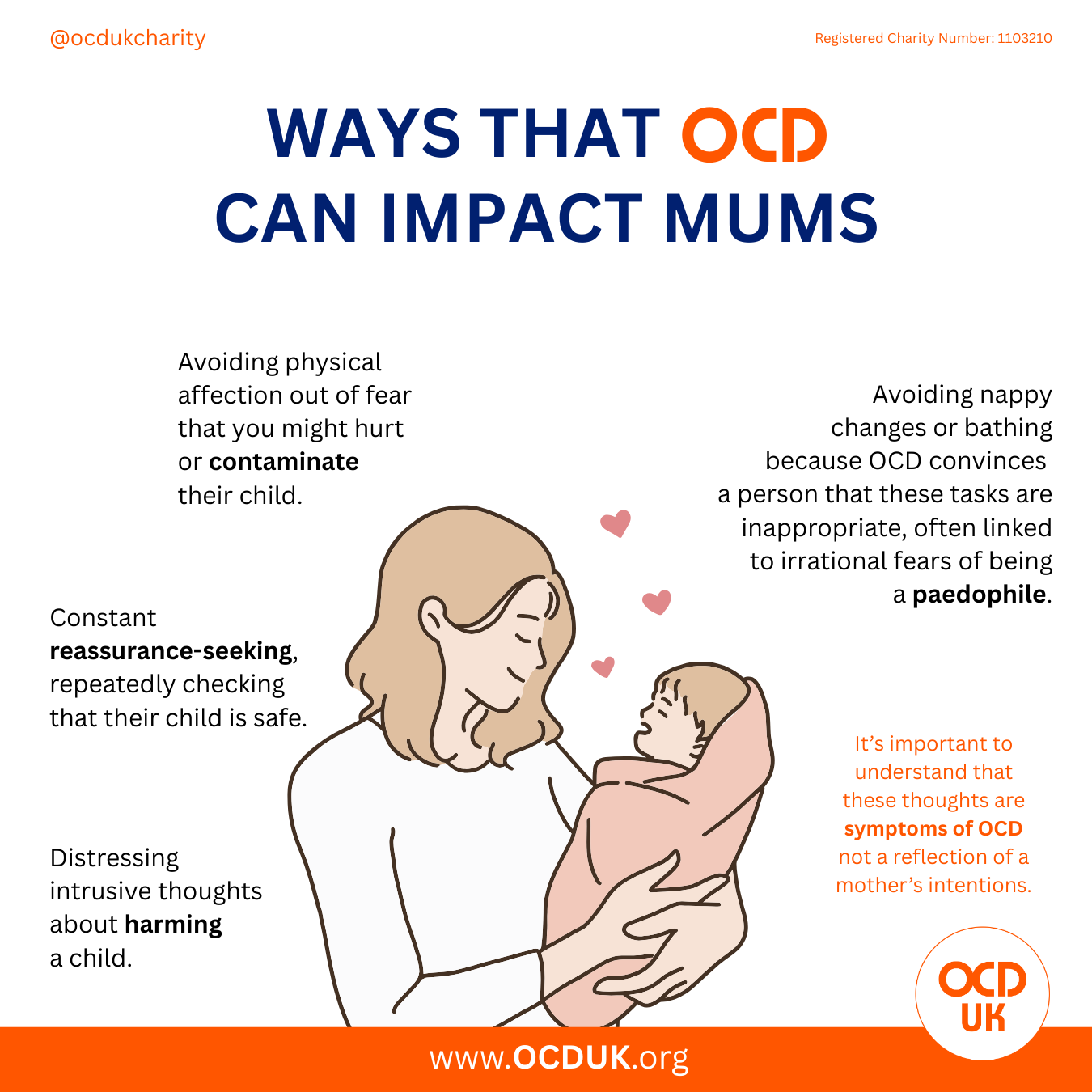
- A failure to provide clear advice for health professionals to better understand risks, or rather no risk, associated with some aspects of intrusive thoughts related to OCD.
With such significant problems with the current proposed draft document, we have already reached out to NICE and met with them today (25th Sept), we have called on them to immediately pause, reflect and proactively take clear action to change the current draft document. Our stance is clear, and we feel we need to make our voice heard to state that if NICE accept and publish this draft document, they will be failing people affected by Obsessive-Compulsive Disorder and Body Dysmorphic Disorder.
– ENDS
What are NICE Guidelines?
NICE guidelines are evidence-based recommendations published by the National Institute for Health and Care Excellence (NICE) to guide and influence the health and care we receive through the National Health Service (NHS).