OCD-UK Webinar Series 2026
OCD Treatment for Young People: Exploring how you feel about it and what it might look like
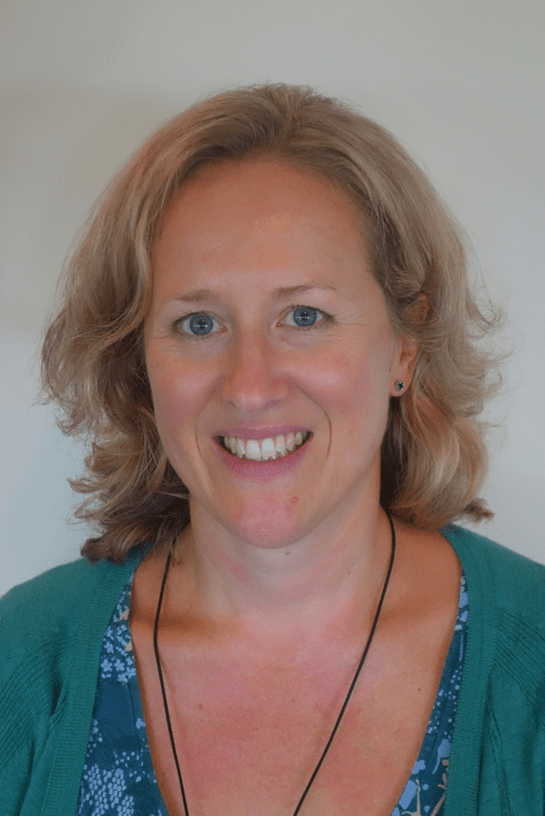
Dr Alice Farrington, Clinical Psychologist, Oxford Health Specialist Psychological Intervention Centre (OHSPIC).
and
Mia Hill, OCD-UK.
Presentation subject
The session began by exploring some of the ways in which young people might feel unsure or worried about starting treatment, what those reasons might be and how normal it is to feel unsure about it. Mia, a young adult with lived experience of OCD, shared her experiences of things she worried about before starting OCD treatment too.
Dr Alice Farrington delivered information on what the treatment for OCD is, what it might look like, what the point of treatment is, and what you are supposed to achieve from it.
Mia also shared some of her experiences in treatment, how she felt about it, the positive changes it gave her, and how it helped her to work towards recovery from OCD.
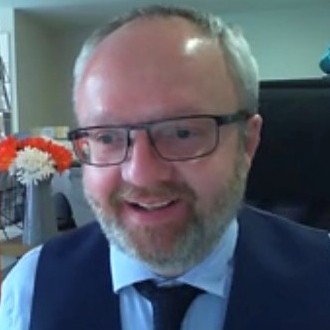
Dr Alice Farrington
Dr Farrington has been working in Child and Adolescent Mental Health Services since qualifying as a Clinical Psychologist in 2000. Alice is passionate about using Cognitive Behavioural Therapy to help children and young people with OCD, anxiety and depression. Alice has always been keen to help young people feel motivated, equipped and supported to overcome OCD and reclaim their lives. Alice has always been keen to support parents, and has developed and facilitated a number of workshops for parents of children in Berkshire CAMHS.
Through a grant from the National Lottery Community Fund this webinar is freely available.
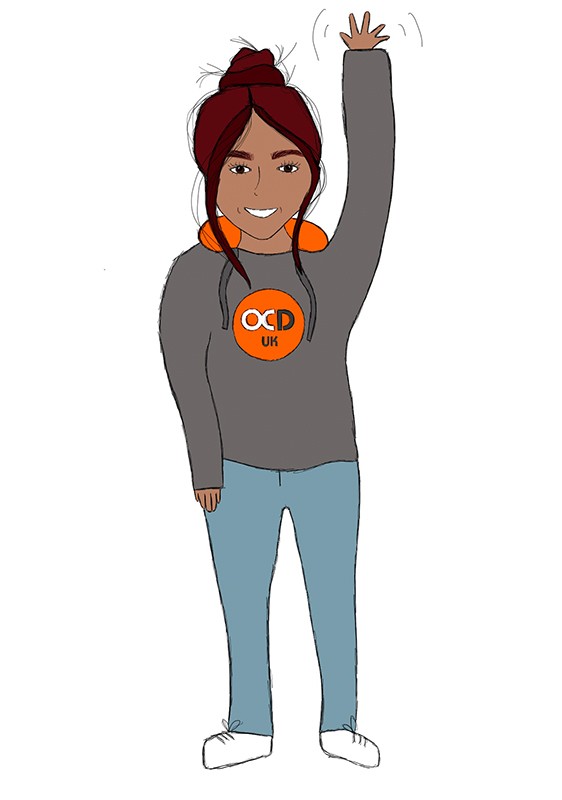
"Hi, I'm Olive and I'm here to help."
The OCD-UK Diversity and Inclusion Charter
Irrespective of age, disability, race, religion, country of origin, gender identity or sexual orientation, everybody is welcomed and respected equally when using, attending and contributing to the OCD-UK online conference.
Creating an inclusive organisation is a fundamental part of living up to our purpose of supporting all those affected by Obsessive-Compulsive Disorder.