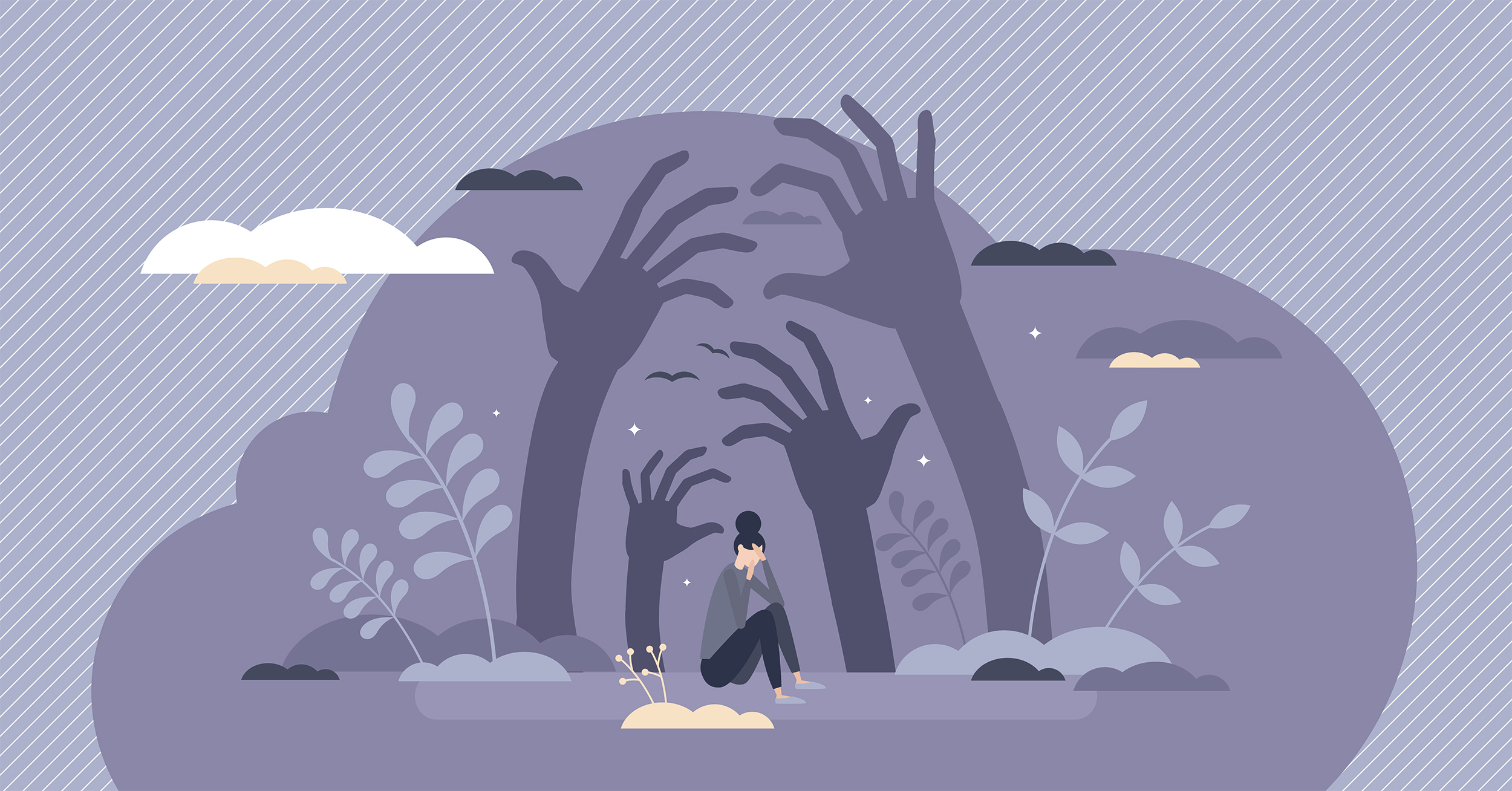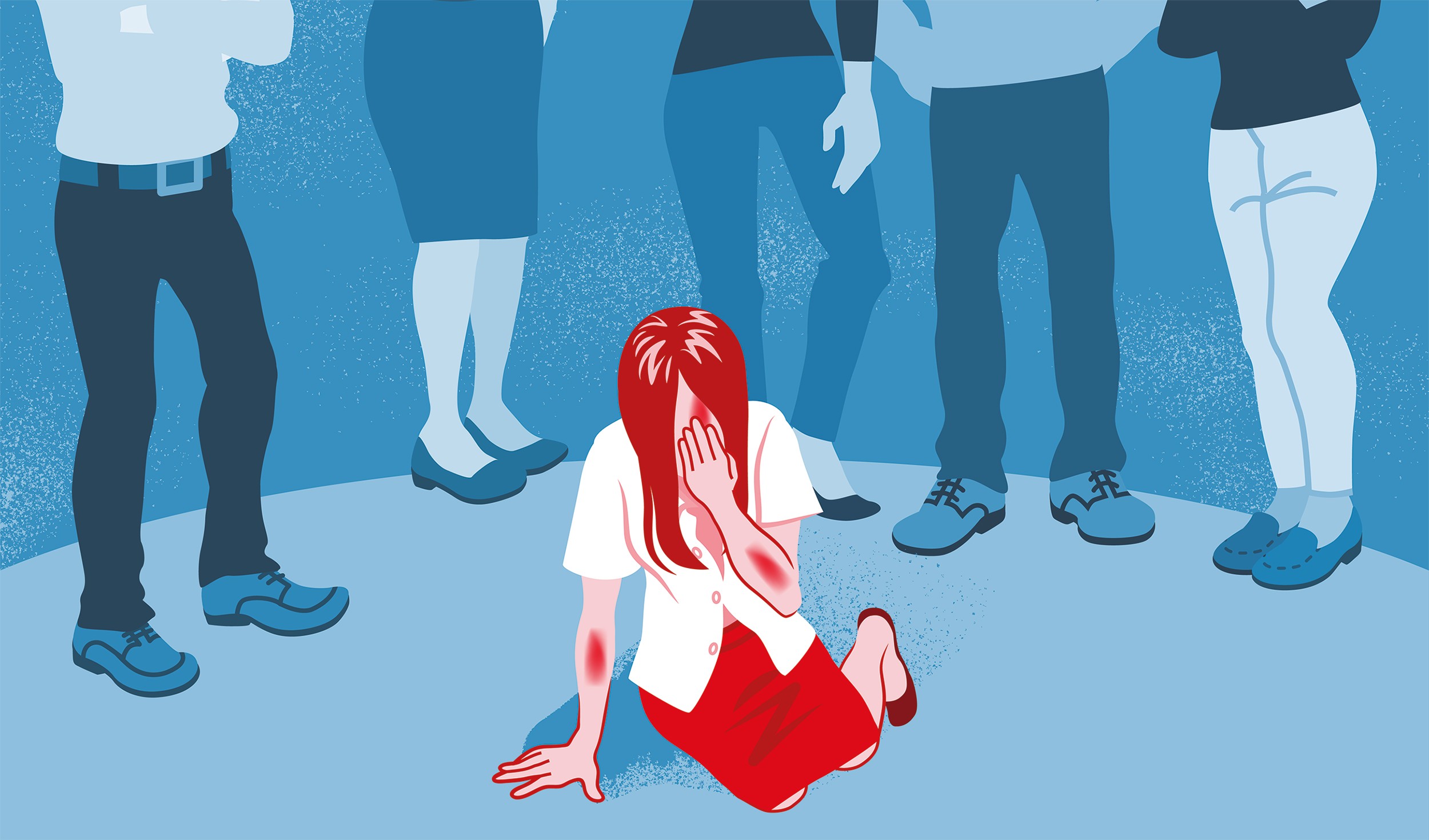
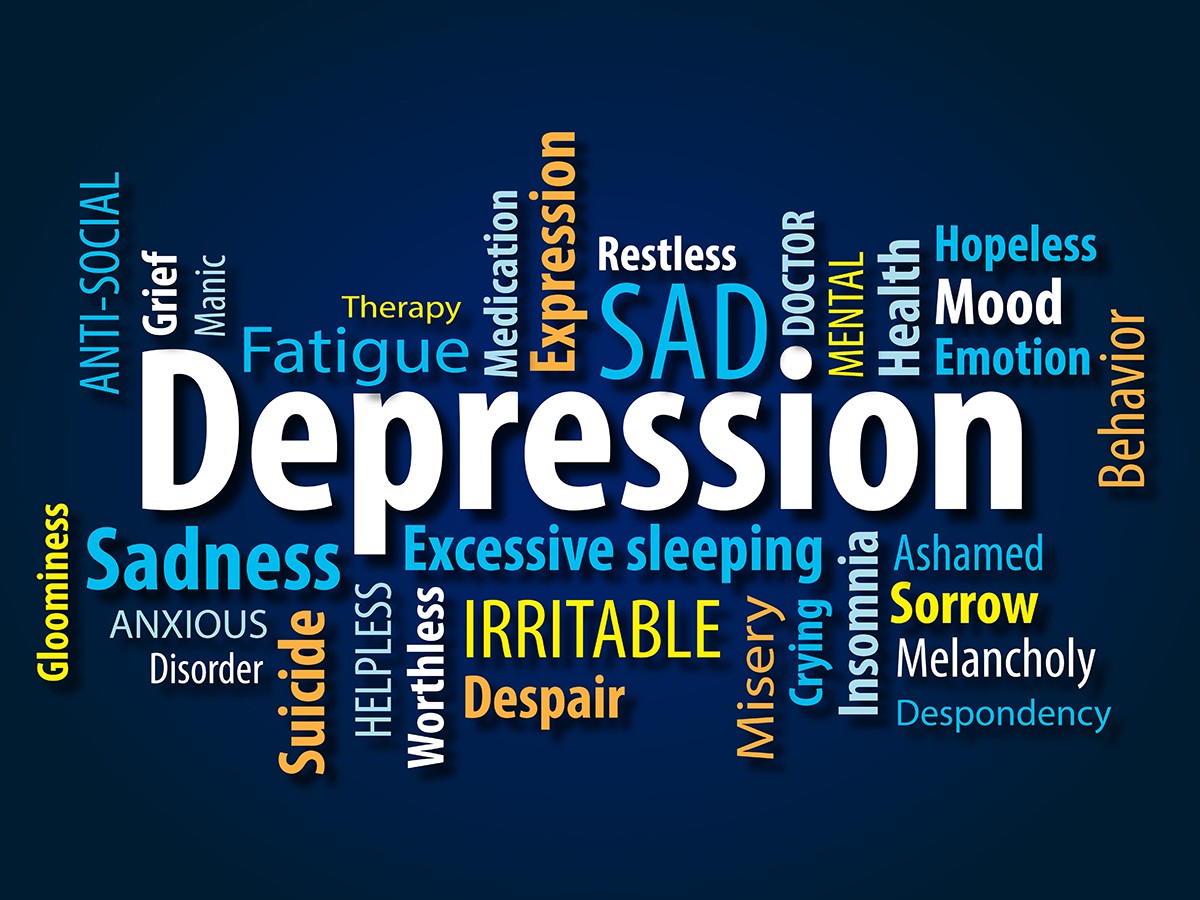
 For some people with Obsessive-Compulsive Disorder, the condition can lead to symptoms of depression. Whilst having depressions is not a pre-cursor to suffering with OCD, it’s not unusual for some people that suffer with OCD to also be affected by symptoms of depression.
Clinical depression is more than simply feeling unhappy or fed up for a few days, when you’re depressed you feel persistently sad for weeks or months and can interfere with your work, social and family life.
But like OCD, depression can be treated. In some caseswhen OCD is treated, depression symptoms lift completely , but for others, when clinical depression becomes significant, their depression needs treated before OCD.
The symptoms of depression can be complex and vary widely with varying levels of severity, from mild to severe. They range from lasting feelings of unhappiness and hopelessness, to losing interest in the things you used to enjoy and feeling very tearful. At its mildest, you may simply feel persistently low in spirit, while severe depression can make you feel suicidal, that life is no longer worth living.
There can be physical symptoms too, such as feeling constantly tired, sleeping badly, having no appetite or sex drive, and various aches and pains.
There are many symptoms of depression and people may experience some or all of these, including:
- Continuous feelings of low mood and/or sadness
- Feeling hopeless and helpless
- Having low self-esteem
- Feeling tearful constantly
- Feelings of guilt
- Feeling irritable
- Having no motivation or interest in hobbies and interests
- Being indecisive
- No real enjoyment in life
- Feeling anxious and/or worried
- Thoughts of harming yourself or suicidal feelings
- Loss of appetite (although sometimes can see an increase in appetite)
- A general lack of energy
- Low sex drive
- Trouble sleeping
- Avoiding social interaction
- Difficulty maintaining family relationships
Treating Depression
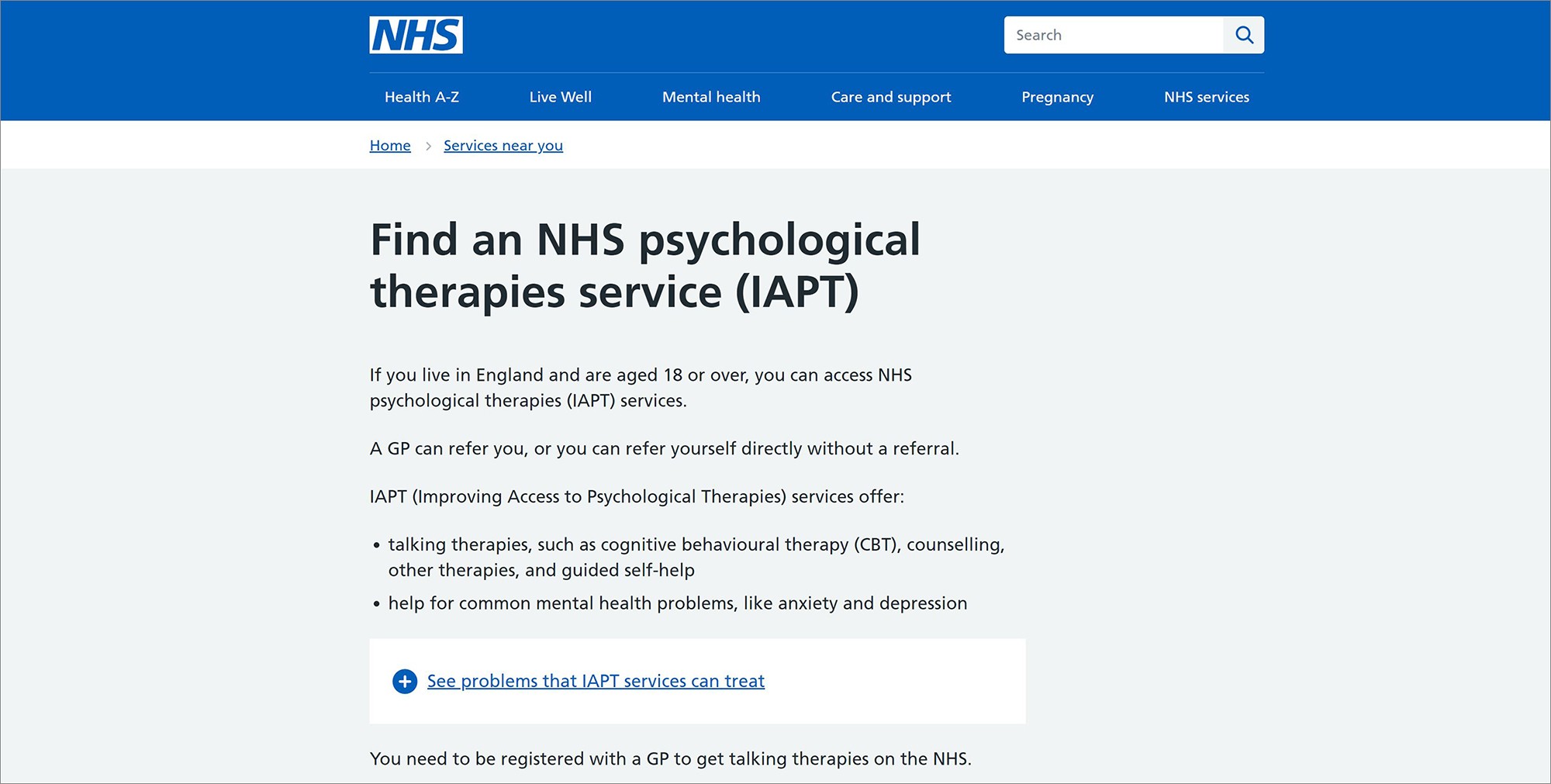
Treatment for depression can involve a combination of lifestyle changes, talking therapies and medication. Your recommended treatment will be based on whether you have mild, moderate or severe depression.
The treatments for depression are very similar to those for OCD, with the treatment found to be the most effective being a talking therapy called Cognitive Behavioural Therapy (CBT). Some people find they also need the additional support of anti-depressant medications to help them cope, usually be a form of anti-depressant SSRI (Selective Serotonin Re-uptake Inhibitor) medication.
Most people experience feelings of stress, unhappiness or anxiety during difficult times. A low mood may improve after a short period of time (such as symptoms seen in seasonal affective disorder) rather than being a sign of depression. But it is important to seek help from your GP if you think you may be depressed and not to wait too long before seeking help.
What to read next: